Brockley Market stall rubbish removal tips for traders
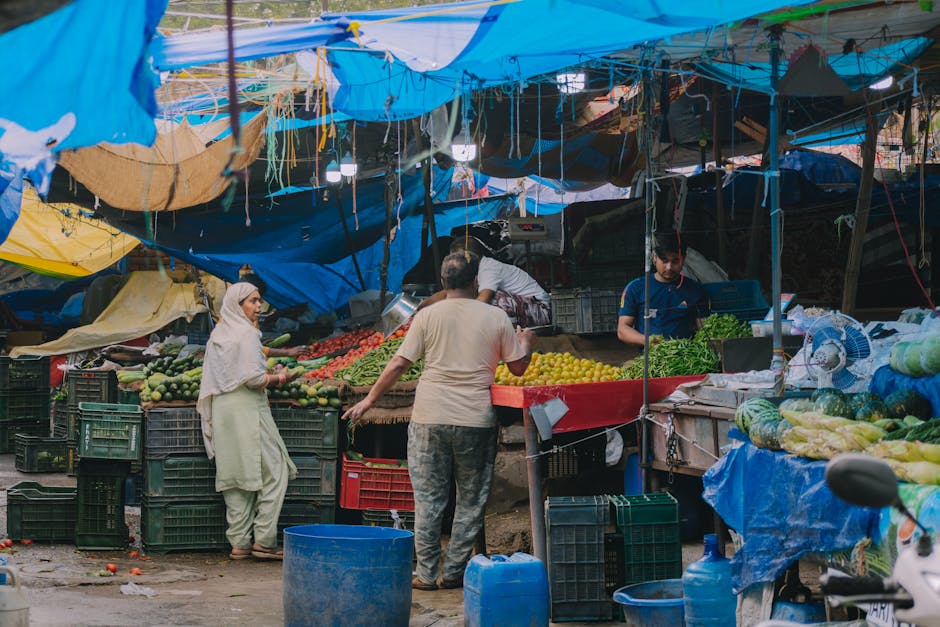
If you trade at Brockley Market, rubbish can go from "a few boxes and some wrapping" to a full-on problem faster than you expect. By the end of a busy stall day, you may be dealing with cardboard, food packaging, broken crates, produce waste, carrier bags, tape, and the odd item that simply will not fit back into the van. That is exactly why Brockley Market stall rubbish removal tips for traders matter: they help you stay tidy, save time, protect your pitch, and leave the site looking good for the next trader and the public.
Truth be told, stall waste is rarely dramatic on its own. It becomes a problem through drift - a little here, a little there, and suddenly your working space is cramped, messy, and harder to clear. In this guide, you will find practical, local-minded advice on planning, sorting, collecting, and removing rubbish from a market stall without making your day harder than it needs to be.
Whether you sell food, plants, clothes, crafts, or household items, you will find a simple system here that works in the real world. Not theory. Real stall-side stuff.
- Why it matters
- How stall rubbish removal works
- Key benefits and practical advantages
- Who needs this and when it makes sense
- Step-by-step guidance
- Expert tips for better results
- Common mistakes to avoid
- Tools, resources and recommendations
- Law, compliance and best practice
- Options and comparison table
- Case study example
- Practical checklist
- Conclusion
- Frequently asked questions
Why Brockley Market stall rubbish removal tips for traders Matters
At a market, waste is not just an afterthought. It sits in the middle of your working day, your customer experience, and your relationship with the site. If your stall looks cluttered, customers notice. If waste spills into shared walkways, other traders notice. And if you leave behind material that should have gone with you, someone else has to deal with it. Nobody wants that reputation.
Brockley Market has the kind of environment where things need to work smoothly and quickly. Space is limited, footfall moves at pace, and traders usually have only a narrow window to set up and clear down. That means rubbish removal has to be planned, not improvised. You want a system that works while you are busy serving customers, not something you "sort out later" once the crate pile has become a small mountain.
There is also a practical business reason. Better waste handling saves money in small ways that add up. You reduce the chance of damaged stock, prevent repeat clean-up work, and avoid last-minute disposal problems. A tidy stall is easier to pack down, easier to transport, and easier to reset next time. Simple really, though easy to overlook when the market is in full swing.
And let's be fair: customers tend to trust organised traders. A clean, structured stall can make your products look more considered and more professional. That matters whether you are selling handmade goods or fresh produce with paper crates and compostable wrapping. Waste control is part of presentation.
How Brockley Market stall rubbish removal tips for traders Works
Good stall waste removal is usually a three-part process: sort, contain, and clear.
First, sort what you create during the trading day. Cardboard is one thing. Food waste is another. Damaged packaging, tape, soft plastic, and reusable crates each need a different handling plan. You do not want one mixed bag of everything if you can help it. It gets heavier, messier, and harder to remove safely.
Second, contain waste as it appears. That means using bins, sacks, boxes, or tubs in the right places, so waste does not spread around your stall. If you trade with packaging-heavy stock, place a small waste tub near your unpacking area and a second container near your packing-up zone. It sounds obvious, but one container in the wrong place can slow everything down.
Third, clear waste before it becomes a barrier. The best stall operators do small clear-outs during the day, not just one huge one at the end. You know that moment when you suddenly have nowhere to put a delivery box because yesterday's pile is still in the corner? That is what regular clearing prevents.
How this is managed can vary depending on the type of trader, the waste produced, and what arrangements are already in place at the market. Some traders can take everything away themselves. Others benefit from a regular waste collection or a one-off rubbish removal service after busy trading periods, refurbishments, or stock changes. If you run a wider business operation as well, you might also want to explore business waste support that fits your day-to-day setup.
Key Benefits and Practical Advantages
There are more benefits to a neat rubbish system than simply "looking tidy". In practice, the gains are wider and a bit more useful than that.
- Faster pack-down: When waste is already sorted, closing up is smoother and less stressful.
- Better use of space: Small stalls can feel crowded very quickly, so clear waste handling frees room to work.
- Cleaner presentation: Customers tend to trust stalls that look looked after.
- Less cross-contamination: Important for food traders, and useful for anyone handling materials that can stain or smell.
- Lower risk of missed items: A defined waste routine helps you spot what should stay and what should go.
- Less wear and tear: Cardboard, tape, wet waste, and broken packaging can damage stock if left loose.
- Better team workflow: If several people help on the stall, everyone knows where waste goes.
One small but real advantage is stress reduction. That end-of-market feeling matters. If pack-down is calm, your whole day ends better. If it is a scramble, you leave tired and irritated, and the next morning starts badly. Not ideal.
There is also a reputational benefit. In a local market setting, word travels quickly. Traders who keep their space clean and do not leave a mess behind are usually seen as reliable. That is not a formal award, of course, just the everyday reality of shared trading spaces.
Who This Is For and When It Makes Sense
This advice is for any trader who creates physical waste during set-up, trading, or pack-down. That includes food stalls, craft sellers, vintage traders, florists, zero-waste sellers, small retail setups, and anyone transporting goods in boxes, wraps, sacks, or crates.
It makes especially good sense if you:
- trade at Brockley Market regularly
- set up early and need a quick start
- handle cardboard-heavy deliveries
- produce food scraps, packaging, or broken display material
- share a vehicle with stock and waste
- need to clear a stall efficiently at the end of the session
- want to reduce clutter before it affects sales
You may not need a formal removal plan if you only bring a tiny amount of waste, but even then a simple routine helps. A small stall can become untidy surprisingly fast. One rainy Saturday and suddenly the floor is damp, the paper bags are soft, and everything feels harder than it should. That is market life, to be fair.
If your trading is linked to a broader local business base, it can also help to think about your waste plan in the same way you would think about office, workshop, or storage clearance. For example, many businesses use rubbish removal support for larger loads and one-off clearances, then build a smaller on-site system for the day-to-day stuff.
Step-by-Step Guidance
Here is a practical method you can use before, during, and after a trading day. It is simple enough to remember, which matters when you are busy.
1. Start with a waste plan before you arrive
Before market day, decide what waste you expect to create. Cardboard? Food scraps? Plastic wrap? Shrink film? Broken stock packaging? Make that call early so you can bring the right bags, tubs, or crates. If you know the stall will generate more waste than usual, bring extra liners and a spare container. It sounds small, but it stops panic later.
2. Set up separate waste points
Try not to rely on one bin for everything. A better approach is to have at least two points: one for dry recyclable-type material and one for general waste or food waste, depending on your setup. If you are handling sharp packaging straps, broken hooks, or awkward bits of display material, keep those apart too.
3. Keep waste off the customer path
Do not let bags, boxes, or waste sacks spill into the route customers use. Even a half-full cardboard box can become a trip hazard. Also, people are less likely to linger if they have to step around clutter. That is just human behaviour.
4. Clear as you go
Instead of waiting until the end, do tiny resets through the day. Fold boxes flat, crush cans where appropriate, bag loose packing material, and put broken packaging aside before it grows legs. A minute here, a minute there. It works.
5. Pack waste for easy removal
Use strong sacks, stack flat cardboard, and tie or tape bundles securely. Wet waste should be sealed properly so it does not leak into your stock area or vehicle. If you have furniture, fixtures, or bulky items to move out, a dedicated service such as furniture disposal can make the heavy lifting much easier.
6. Do a final sweep before leaving
Check under tables, behind display units, and near loading points. Small items hide in plain sight. Pen lids, torn labels, cable ties, and bits of tape love to disappear into corners. You will only notice them when you are already home, which is annoying in the extreme.
7. Review what went wrong
After the market, take thirty seconds to think: what filled up first, what was awkward to carry, and what should be changed next time? That tiny bit of reflection quickly improves your system.
Expert Tips for Better Results
These are the things that usually make the biggest difference in practice, especially if you trade regularly.
Use flat-pack thinking. Cardboard boxes should be flattened early, not after they have become rigid and awkward. A flat stack is much easier to move and takes less room in your vehicle.
Choose stronger sacks than you think you need. Lightweight bags split at the worst moments, often when you are carrying them across a busy area. A slightly tougher sack saves hassle.
Keep one "clean hands" zone. If you sell items that customers touch, keep waste well away from the presentation area. It makes the stall feel fresher and more controlled.
Label your containers. If several people work the stall, clear labels prevent mix-ups. Even a handwritten "cardboard only" note helps more than you might think.
Protect your transport route. If you carry waste through a tight van space or shared loading area, plan the route before the market starts. No one enjoys wrestling a dripping bag past a box of stock at 5 pm.
Think about the end before the beginning. Where will waste sit while you trade? Where will it go during pack-down? What fits in the vehicle? If you answer those questions first, the day runs much more smoothly.
One more thing. If you generate waste from business premises beyond the stall itself, you might benefit from looking at a regular waste collection arrangement so the market day is not doing all the heavy lifting for your whole operation.
Common Mistakes to Avoid
Most stall waste problems are boringly avoidable. That is the good news. The bad news is that they keep happening because people get busy and assume they will remember later. They often do not.
- Waiting until the end to sort everything: By then, waste has usually mixed together and become harder to manage.
- Using one bag for all waste: It saves a little time at first, but creates more work later.
- Ignoring wet or food waste: This can create smells, leaks, and hygiene issues very quickly.
- Overfilling bags: Heavy sacks are awkward and can split during carrying.
- Leaving boxes unflattened: You waste room in the stall and vehicle.
- Forgetting the pack-down route: If your exit path is blocked by waste, you slow everything down.
- Assuming someone else will take it: Unless arrangements are clear, waste can become a dispute.
A surprisingly common mistake is treating waste like an invisible job. It is not invisible. It takes up time, space, and mental energy. Give it a proper system and it stops nagging at you all day.
Tools, Resources and Recommendations
You do not need a complicated kit. In most cases, simple and durable tools are best.
- Heavy-duty bin bags: Useful for mixed general waste and smaller loose items.
- Flat packing boxes or crates: Helpful for cardboard, wrapping, and reusable materials.
- Reusable tubs: Good for food traders, craft stalls, or anything small and messy.
- Straps or tape: For bundling flattened cardboard or securing awkward items.
- Gloves: Handy when handling sharp edges, wet waste, or dirty packaging.
- Hand sanitiser and wipes: Especially useful for food-related stalls or public-facing setups.
- Compact trolley or sack truck: Worth it if you regularly move bulky loads.
For traders who deal with mixed bulky items, an all-round waste clearance service can be useful for occasional larger jobs, while smaller site-level habits handle the everyday clutter.
If your waste includes old stock packaging, faded displays, or tired stall fittings, a broader waste disposal approach may be more efficient than trying to piece everything out one bag at a time. Sometimes a single organised collection saves a lot of faffing about later.
Helpful mindset, too: keep your kit visibly separate. If your waste bags are mixed in with stock supplies, people use them for the wrong thing. And then you are stuck with a half-used bag of tape in the bin. Been there, unfortunately.
Law, Compliance, Standards, or Best Practice
Waste handling for traders should always be approached carefully and sensibly. Specific requirements can depend on the type of waste you create, where it is stored, and who is collecting it. If you are dealing with business waste in the UK, it is wise to use legitimate, traceable disposal arrangements and to keep your records organised where needed.
For market traders, a few best-practice principles are especially relevant:
- Do not leave waste where it could obstruct access, create a nuisance, or attract pests.
- Keep recyclable and non-recyclable material separate where practical.
- Handle food waste and wet waste carefully to reduce odour and contamination.
- Use suitable containers that do not leak or split easily.
- Check the expectations of the market operator before trading days, especially for larger loads or recurring clear-outs.
If you ever generate hazardous items, sharp objects, contaminated materials, or anything unusual, treat it cautiously and do not assume it can go in a normal sack. That is the kind of thing worth double-checking rather than guessing. For businesses wanting a clearer overview of obligations, a guide such as licensed waste carriers in southeast London legal checklist can help you understand the sort of care and diligence expected when choosing a disposal route.
Best practice is not about making everything complicated. It is about being consistent, tidy, and sensible. Honestly, that is most of it.
Options, Methods, or Comparison Table
There is more than one way to manage market stall rubbish. The right choice depends on volume, frequency, and what kind of waste you produce.
| Method | Best for | Strengths | Limitations |
|---|---|---|---|
| Self-takeaway in bags or boxes | Low-volume stalls | Simple, low-cost, flexible | Can become messy or heavy if unmanaged |
| Dedicated on-site sorting system | Regular traders with repeat waste types | Fast, neat, easy to train staff on | Needs discipline and enough stall space |
| Occasional professional collection | Bulky items or seasonal clear-outs | Saves time, handles awkward loads | Best used as a planned solution, not a rescue every week |
| Full business waste arrangement | Traders with wider commercial waste needs | Structured, reliable, scalable | May be more than needed for very small stalls |
If you are unsure which route fits, ask yourself one question: is the issue "daily stall mess" or "more serious volume and disposal pressure"? That answer usually points you in the right direction. For some traders, a simple system is enough. For others, especially those generating a lot of packaging or bulky goods, a tailored service like rubbish collection can be the cleaner fit.
Case Study or Real-World Example
Picture a typical Saturday morning. A trader arrives early, unloads fruit boxes, paper bags, display baskets, and packaging from the week's deliveries. By 10 am, the stall looks lively and well stocked. By lunchtime, the empty boxes are stacking up, soft waste has started mixing with dry packaging, and there is a slightly soggy bag near the back because the weather turned just enough to be annoying.
In the first version of the day, waste is left until the end. The result? A crowded stall, slower customer service, and a stressful pack-down with no clear separation between recyclable material and general rubbish.
In the second version, the trader uses three simple rules: flatten cardboard immediately, keep a small bag near the unpacking point, and clear one waste batch every hour. Nothing fancy. The difference is striking. The stall stays neater, pack-down takes less time, and the van load is much easier to manage. Even a small change like that can make the whole day feel calmer.
That is the real lesson. You do not need a perfect system. You need a repeatable one. Small, boring, reliable. Those are usually the best ones.
Practical Checklist
Use this quick checklist before and after a trading day at Brockley Market.
- Bring enough heavy-duty bags, tubs, or crates for the expected waste.
- Separate cardboard, general rubbish, and food waste where possible.
- Keep waste containers away from the customer-facing area.
- Flatten cardboard as soon as it is empty.
- Seal wet or food waste securely.
- Do a mid-day waste reset if the stall is busy.
- Check the ground and under tables before leaving.
- Make sure nothing sharp, heavy, or dirty is left loose in the vehicle.
- Review what created the most waste and adjust for next time.
- Use a proper collection or disposal route for larger loads.
If you want a practical follow-up for bigger clear-outs beyond the market stall itself, rubbish clearance can be a useful option when you need a faster reset and less manual sorting on your own.
Expert summary: The best waste system for traders is the one you can repeat every week without thinking too hard. Keep it simple, keep it separate, and keep it moving before clutter starts stealing your space.
Conclusion
Brockley Market stall rubbish removal tips for traders are really about making your working day easier, cleaner, and more predictable. A good waste routine protects your pitch, improves presentation, and stops small problems from snowballing into a messy pack-down. That is true whether you trade once a week or every market day.
The key is not perfection. It is rhythm. Sort as you go, pack waste in a way that makes sense, and treat clear-down as part of the job rather than an annoying extra. Once you do that, the whole stall feels lighter somehow. And that matters.
If your trading setup needs a more structured solution for regular waste, bulky items, or occasional clear-outs, it is worth exploring the option that best fits your pace and volume.
Get a free quote today and see how much you can save.
Frequently Asked Questions
What is the best way to manage rubbish at a market stall?
The best way is to sort waste as it appears, keep separate containers for different materials, and clear items before they build up. A simple routine beats a last-minute scramble every time.
Do Brockley Market traders need special rubbish removal arrangements?
That depends on how much waste your stall creates and what type it is. Small stalls may only need a tidy self-clear-down system, while busier traders may prefer a regular collection or clearance arrangement.
How often should a trader clear waste during the day?
For busy stalls, a small reset every so often is better than waiting until the end. If you notice waste affecting movement, display space, or customer access, it is time to clear it.
Can I mix cardboard and general waste together?
You can, but it is usually less efficient. Mixed waste is heavier, harder to handle, and more awkward to dispose of. Keeping cardboard separate is usually cleaner and easier.
What should food traders do with wet or smelly waste?
Seal it properly, keep it away from stock, and remove it promptly. Wet waste should never be left loose in a stall area because leaks and odours can become a problem fast.
Is it worth paying for professional rubbish removal for a small stall?
Sometimes yes, especially if you have bulky packaging, seasonal stock changes, or a one-off clear-out. If your waste is small and predictable, a simple self-managed system may be enough.
What are the most common waste mistakes traders make?
The biggest ones are overfilling bags, not flattening boxes, mixing waste types, and leaving everything until the end. Those habits turn a quick pack-down into a frustrating job.
How can I keep my stall looking tidy when it is busy?
Use small waste points, clear items regularly, and keep rubbish away from the customer-facing side. A stall can still be active and busy without looking chaotic.
What tools are most useful for stall rubbish removal?
Strong sacks, reusable tubs, a trolley or sack truck, gloves, and tape for bundling cardboard are all useful. The right tools depend on the kind of waste your stall produces.
Should traders worry about compliance when disposing of waste?
Yes, they should be careful and sensible. Business waste should be handled properly, and unusual or potentially hazardous items need extra attention. When in doubt, do not guess.
What is the easiest way to reduce market stall waste?
Bring less single-use packaging, flatten boxes early, and choose reusable display and transport items where possible. Small changes can reduce the amount you have to clear at the end of the day.
When does a trader need a larger waste solution?
If waste is taking over stall space, loading time, or vehicle room, that is usually the sign. At that point, a more structured collection or clearance service may save time and hassle.
In the end, a clean stall is not just about waste. It is about confidence, calm, and making the day feel manageable. Small system, big difference. Honestly, that's the lovely little trick of it.