Effective Management of Business Waste in South East London

Business waste management is a critical aspect for any enterprise operating in South East London. With the region's vibrant economic activity, the generation of waste is inevitable, making efficient handling essential for sustainability and compliance.
South East London comprises a diverse range of businesses, from small startups to large corporations, each contributing differently to the overall waste landscape. Understanding the specific needs and solutions available is paramount for effective waste management.
Implementing proper waste management strategies not only helps in reducing environmental impact but also ensures that businesses comply with local regulations, avoiding potential fines and enhancing their reputation.
Types of Business Waste in South East London
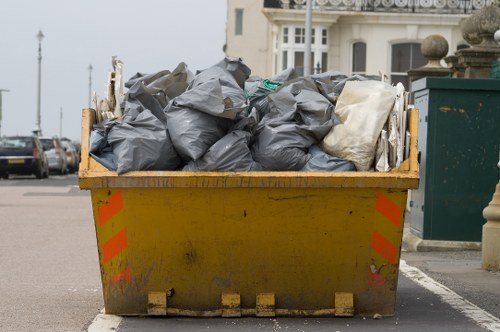
Businesses in South East London generate various types of waste, each requiring specific handling and disposal methods. The primary categories include:
- General Waste: Non-recyclable and non-hazardous waste typically includes food scraps, paper products, and packaging materials.
- Recyclable Waste: Materials such as paper, cardboard, plastics, metals, and glass that can be reprocessed and reused.
- Hazardous Waste: Includes chemicals, batteries, electronic waste, and other materials that pose environmental or health risks if not handled properly.
- Construction and Demolition Waste: Debris generated from building projects, including concrete, wood, and metal remnants.
Proper categorization of waste is the first step towards effective management and ensuring that each type is disposed of in an environmentally responsible manner.
Businesses must assess their waste streams regularly to identify areas where waste generation can be minimized and recycling can be maximized.
Regulations and Compliance
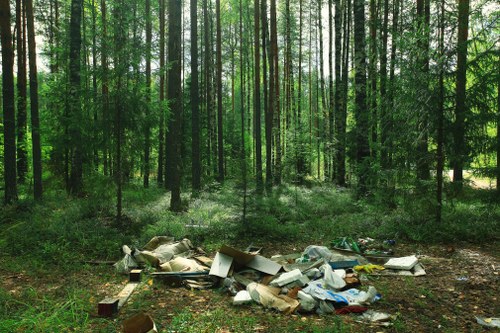
Compliance with local regulations is a mandatory aspect of business waste management in South East London. The London Boroughs have specific guidelines that businesses must adhere to, ensuring that waste is managed sustainably and responsibly.
Key regulations include:
- Waste Hierarchy Compliance: Prioritizing waste prevention, reuse, recycling, energy recovery, and disposal in that order.
- Licensing Requirements: Businesses generating significant amounts of waste may require a waste carrier’s license.
- Reporting Obligations: Regular reporting of waste volumes and types to local authorities is necessary.
- Prohibition of Specific Waste: Certain types of waste, such as asbestos, have strict handling and disposal requirements.
Non-compliance can result in substantial fines and legal consequences, making it crucial for businesses to stay informed and adhere to all relevant regulations.
Engaging with professional waste management services can help businesses navigate the complexities of regulatory compliance effectively.
Waste Management Solutions

There are numerous waste management solutions available for businesses in South East London, tailored to meet different needs and budgets. These solutions focus on minimizing waste, promoting recycling, and ensuring safe disposal of hazardous materials.
Key solutions include:
- Recycling Programs: Implementing comprehensive recycling programs for paper, plastics, metals, and glass.
- Composting: Converting organic waste into compost, which can be used for landscaping or sold as a product.
- On-site Waste Treatment: Utilizing technology to treat waste at the source, reducing the need for transportation.
- Waste Audits: Conducting regular audits to identify waste generation patterns and opportunities for reduction.
Adopting these solutions not only helps in reducing environmental impact but also enhances operational efficiency and can lead to cost savings in the long run.
Businesses are encouraged to collaborate with certified waste management providers to implement these solutions effectively.
Benefits of Professional Waste Management Services

Partnering with professional waste management services offers numerous benefits for businesses in South East London. These services provide expertise, resources, and technologies that facilitate efficient waste handling and disposal.
Key benefits include:
- Expertise and Knowledge: Professionals are well-versed in local regulations and best practices, ensuring compliance and optimal waste management.
- Cost Efficiency: Outsourcing waste management can reduce operational costs associated with waste disposal and recycling.
- Environmental Responsibility: Professional services prioritize sustainable practices, helping businesses reduce their carbon footprint.
- Convenience: Streamlined waste collection and disposal processes save time and resources for businesses.
Choosing the right waste management partner is crucial for maximizing these benefits and ensuring that waste management practices align with business goals and sustainability objectives.
Businesses should evaluate service providers based on their reliability, range of services, and commitment to environmental stewardship.
Implementing Effective Waste Reduction Strategies

Waste reduction is a fundamental component of sustainable business practices. Implementing effective strategies can significantly decrease the amount of waste generated, leading to environmental and financial benefits.
Effective waste reduction strategies include:
- Source Reduction: Minimizing waste generation at the source through efficient use of resources and materials.
- Product Design: Designing products that produce less waste or are easier to recycle.
- Employee Training: Educating staff on best practices for waste reduction and recycling.
- Supply Chain Management: Collaborating with suppliers to reduce packaging and encourage sustainable practices.
By prioritizing waste reduction, businesses can lower operational costs, enhance their sustainability profile, and contribute positively to the community.
Continuous evaluation and improvement of waste reduction strategies are essential to adapt to changing business needs and environmental standards.
Recycling Initiatives and Opportunities

Recycling plays a pivotal role in business waste management, offering a way to reprocess materials and extend their lifecycle. In South East London, numerous recycling initiatives and opportunities are available to businesses looking to enhance their sustainability efforts.
Some key recycling initiatives include:
- Paper and Cardboard Recycling: Implementing systems for collecting and recycling paper products to reduce deforestation and waste.
- Plastic Recycling: Partnering with recycling facilities to process plastics, minimizing landfill usage and pollution.
- Electronic Waste Recycling: Safely disposing of electronic components to prevent hazardous materials from entering the environment.
- Metal Recycling: Recovering metals from waste streams for reuse in various industries.
Engaging in these recycling initiatives not only supports environmental conservation but also can open up new business opportunities and improve corporate social responsibility credentials.
Businesses should stay informed about local recycling programs and leverage them to maximize their recycling efforts.
Handling Hazardous Waste Safely

Managing hazardous waste is a critical aspect of business waste management, requiring specialized handling and disposal methods to prevent environmental contamination and health hazards.
Proper handling of hazardous waste involves:
- Identification and Classification: Determining the type and level of hazard associated with the waste.
- Safe Storage: Using appropriate containers and storage facilities to prevent leaks and exposure.
- Transportation: Ensuring that hazardous waste is transported by licensed carriers following safety regulations.
- Disposal and Treatment: Utilizing certified facilities that can treat or dispose of hazardous waste in an environmentally responsible manner.
Businesses must adhere to stringent regulations when handling hazardous waste to avoid legal repercussions and ensure the safety of their employees and the surrounding community.
Consulting with professional hazardous waste management services can provide the necessary expertise and support for compliant and safe disposal practices.
Cost Considerations in Waste Management
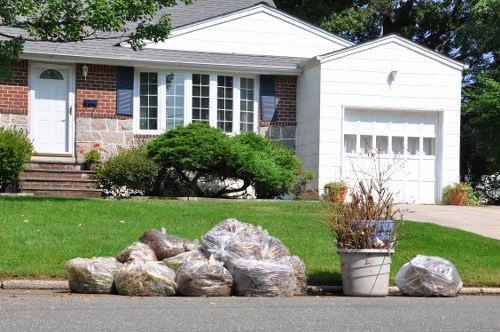
Effective waste management involves careful consideration of costs to ensure that practices are both environmentally sustainable and financially viable for businesses.
Key cost factors include:
- Collection and Transportation: Costs associated with the regular collection and transportation of waste to disposal or recycling facilities.
- Disposal Fees: Charges for disposing of waste in landfills or incinerators, often varying based on waste type and volume.
- Recycling Costs: Expenses related to recycling processes, including sorting, processing, and market fluctuations for recycled materials.
- Compliance Costs: Costs incurred to ensure adherence to local and national waste management regulations, including licensing and reporting.
Businesses can optimize costs by implementing waste reduction strategies, improving recycling rates, and negotiating favorable contracts with waste management providers.
Investing in sustainable waste management practices can lead to long-term cost savings and enhance the overall financial health of the business.
Sustainable Practices for Waste Management
Adopting sustainable waste management practices is essential for businesses aiming to minimize their environmental footprint and promote long-term ecological balance.
Key sustainable practices include:
- Zero Waste Initiatives: Striving to eliminate all waste through comprehensive reduction, recycling, and reuse strategies.
- Green Procurement: Purchasing environmentally friendly products and materials that generate less waste.
- Energy Recovery: Utilizing waste-to-energy technologies to convert waste into usable energy, reducing reliance on fossil fuels.
- Lifecycles Assessment: Evaluating the environmental impact of products and processes throughout their lifecycle to identify improvement areas.
Implementing these practices not only supports environmental conservation but also enhances the business’s reputation and can lead to increased customer loyalty.
Continuous innovation and commitment are vital for maintaining sustainable waste management systems.
Technological Innovations in Waste Management
Technology plays a significant role in advancing waste management practices, offering solutions that enhance efficiency, accuracy, and sustainability.
Notable technological innovations include:
- Automated Sorting Systems: Using AI and robotics to improve the sorting and processing of recyclable materials.
- Smart Bins: Implementing sensors and IoT technology to monitor waste levels and optimize collection schedules.
- Waste Tracking Software: Utilizing digital platforms to track waste generation, disposal, and recycling activities in real-time.
- Advanced Recycling Technologies: Developing new methods for recycling complex materials and reducing contamination in recycling streams.
These technologies enable businesses to manage waste more effectively, reduce operational costs, and enhance their sustainability efforts.
Staying abreast of technological advancements is crucial for businesses seeking to innovate their waste management practices.
Case Studies: Successful Waste Management in South East London
Examining successful case studies of waste management in South East London can provide valuable insights and inspiration for other businesses aiming to improve their waste practices.
One notable example is XYZ Corporation, which implemented a comprehensive recycling program that reduced their general waste by 40% within a year. By collaborating with a local recycling service and investing in employee training, XYZ Corporation not only achieved significant cost savings but also enhanced their sustainability profile.
Another example is ABC Ltd., a manufacturing company that adopted on-site waste treatment technology. This innovation allowed them to process certain waste materials internally, reducing the need for external disposal and lowering their overall waste management costs.
Future Trends in Business Waste Management
The landscape of business waste management is continually evolving, with new trends shaping the future of how businesses handle waste.
Emerging trends include:
- Circular Economy Models: Emphasizing the reuse and recycling of materials to create a closed-loop system that minimizes waste.
- Biodegradable Materials: Increasing the use of materials that can decompose naturally, reducing environmental impact.
- Personalization of Waste Management: Tailoring waste management solutions to the specific needs of individual businesses for greater efficiency.
- Increased Regulatory Pressure: Anticipating stricter regulations that will require more sophisticated waste management practices.
Businesses that stay ahead of these trends can position themselves as leaders in sustainability and innovation, gaining a competitive edge in the market.
Adapting to future trends requires proactive planning, investment in new technologies, and a commitment to continuous improvement in waste management practices.
Choosing the Right Waste Management Partner
Selecting the appropriate waste management partner is crucial for businesses in South East London to ensure efficient and compliant waste handling.
Factors to consider when choosing a partner include:
- Service Range: Ensuring the provider offers the necessary services, such as recycling, hazardous waste handling, and regular collection.
- Reputation and Reliability: Assessing the provider’s track record and customer reviews to gauge reliability.
- Compliance and Certifications: Verifying that the provider adheres to all relevant regulations and holds necessary certifications.
- Cost-effectiveness: Evaluating pricing structures to ensure they align with the business’s budget and offer value for money.
Engaging in thorough research and seeking recommendations can help businesses identify the most suitable waste management partners.
Building a strong partnership with a reliable provider can enhance waste management efficiency and support the business’s sustainability goals.
Employee Engagement in Waste Management
Engaging employees in waste management initiatives is essential for the successful implementation of effective waste practices within a business.
Strategies to foster employee engagement include:
- Training and Education: Providing regular training sessions to educate employees about waste reduction and recycling practices.
- Incentive Programs: Creating incentive schemes that reward employees for contributing to waste management goals.
- Clear Communication: Establishing transparent communication channels to share waste management policies and updates.
- Participation Opportunities: Encouraging employees to participate in waste audits and sustainability projects.
When employees are actively involved, businesses can achieve higher compliance rates and more effective waste management outcomes.
Fostering a culture of sustainability within the organization promotes long-term commitment to environmentally responsible practices.
Measuring and Reporting Waste Management Performance
Measuring and reporting waste management performance is crucial for businesses to assess the effectiveness of their waste strategies and identify areas for improvement.
Key performance indicators (KPIs) include:
- Waste Generation Rates: Tracking the total amount of waste produced over a specific period.
- Recycling Rates: Measuring the proportion of waste that is successfully recycled.
- Cost Metrics: Analyzing the costs associated with waste collection, disposal, and recycling.
- Compliance Rates: Monitoring adherence to local waste management regulations.
Regular reporting on these KPIs enables businesses to monitor progress, make informed decisions, and adjust their waste management strategies as needed.
Transparent reporting also demonstrates the business’s commitment to sustainability to stakeholders and the community.
Conclusion
Effective business waste management in South East London is vital for sustainability, regulatory compliance, and operational efficiency. By understanding the types of waste, adhering to regulations, and implementing robust waste management solutions, businesses can significantly reduce their environmental impact.
Partnering with professional waste management services, engaging employees, and staying abreast of technological innovations further enhance waste management practices. Embracing sustainable practices and future trends ensures that businesses remain competitive and responsible in their waste handling.
Contact us today to optimize your business waste management in South East London and contribute to a greener future.
