Schedule reliable rubbish removal Southeast London without stress
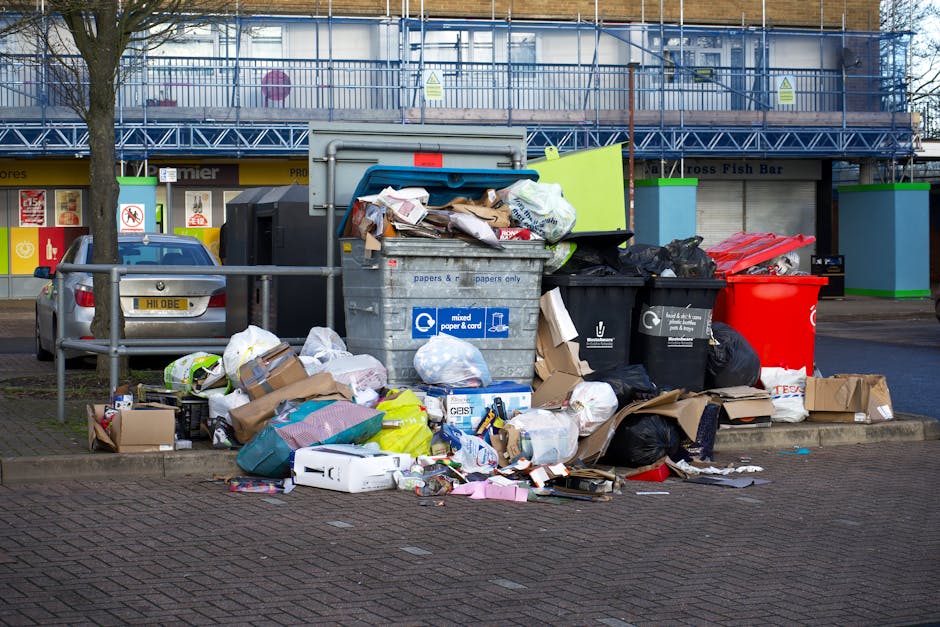
If your garden is full, the spare room is starting to look like a storage unit, or a renovation has left dust, timber and broken bits everywhere, it can feel oddly overwhelming. The good news is that you can schedule reliable rubbish removal Southeast London without stress if you know what to look for, what to prepare, and how the collection should work. Done properly, it becomes one less thing hanging over you.
This guide breaks the process down into plain English. You will see how rubbish removal is usually arranged, what makes a collection genuinely reliable, the mistakes that cause delays, and the best ways to get a smooth result whether you are clearing a flat, a house, an office, or a pile of mixed waste that has been growing quietly in the corner. Let's face it, rubbish rarely gets smaller on its own.
Why Schedule reliable rubbish removal Southeast London without stress Matters
Reliable rubbish removal is not just about getting rid of unwanted items. It is about removing the friction that builds up around a space. A hallway blocked by old furniture, a driveway filled with builder's waste, or a loft full of forgotten boxes can make everyday life feel heavier than it should. The visual clutter is one thing; the mental load is often worse.
In Southeast London, that matters even more because homes and premises can be a little tighter, access can be awkward, and parking is not always friendly. If a team turns up late, arrives underprepared, or cannot take everything in one visit, the disruption spreads quickly. You end up rescheduling childcare, work calls, tradespeople, or simply your own weekend. Not ideal.
When a collection is scheduled well, though, the whole thing feels almost boring in the best possible way. The team arrives, loads efficiently, tidies the area, and leaves you with a proper fresh start. That is the standard worth aiming for. If you are clearing a property after a move, handling a refurb, or just reclaiming space, this kind of service can save a surprising amount of time and stress.
Expert summary: the best rubbish removal is the kind you barely need to think about once it is booked. Clear expectations, accurate waste description, and a punctual team usually matter more than fancy promises.
How Schedule reliable rubbish removal Southeast London without stress Works
The process is straightforward when the provider is organised. First, you describe what needs removing. That might be general household junk, office clutter, a broken sofa, garden cuttings, or heavier builder's waste. The clearer your description, the easier it is to send the right vehicle and crew size. A quick, vague message like "bit of rubbish" can be a recipe for confusion, to be fair.
Next comes scheduling. A good provider will ask about access, item type, approximate volume, and whether the waste is already bagged or still loose. This matters because loading a neatly stacked pile is very different from moving scattered items from a basement, top floor flat, or narrow mews. If you live in a flat with tight stairs or limited parking, mention that early.
On the collection day, the crew should confirm the load, remove the items safely, and explain anything that cannot be taken in the same way. Some waste streams need special handling, and that is normal. For example, heavy builder's waste is different from a sofa collection, and mixed waste from a garden clearance is not the same as office disposal. If you want to explore the service types behind those jobs, the website's rubbish removal and waste removal pages are useful starting points.
A well-run collection ends with the space being left usable, not just emptied. That little detail is a mark of a professional operation. You notice it immediately when the dust settles and the room suddenly feels bigger.
Key Benefits and Practical Advantages
The obvious benefit is that the rubbish disappears. But the real value goes much deeper than that.
- Less stress: you avoid the back-and-forth of hiring a van, finding helpers, or making multiple trips to a disposal site.
- Faster turnaround: one organised collection can clear a room, garage, office, or garden much quicker than a DIY approach.
- Safer lifting: bulky items like wardrobes, mattresses, and broken furniture can be awkward and injury-prone.
- Better space planning: once clutter is gone, it is easier to plan a move, decorate, or carry out repairs.
- Cleaner handover: useful when you are leaving a rental, selling a property, or getting premises ready for staff or clients.
There is also a practical financial upside, even if it is not always obvious at first glance. When a collection is planned properly, you are less likely to pay for extra days off work, repeated lift-and-carry help, or emergency last-minute solutions. A tidy booking saves more than nerves.
For mixed household jobs, services like home clearance or house clearance often make sense because they are built for larger, more varied loads. If the issue is specific furniture, a more targeted option such as furniture disposal or sofa removal may be the cleaner choice.
Who This Is For and When It Makes Sense
This kind of service suits a wide range of people. Homeowners use it after decluttering, renovating, or getting a property ready to rent or sell. Landlords often need it between tenancies when a flat has been left with old furniture, bags of mixed items, or just more mess than expected. Busy families use it when clutter has grown under the stairs, in the loft, or at the back of the garden.
Businesses need it too. Offices build up old monitors, desks, packaging, archive material, and general waste at a surprising pace. Shops, salons, workshops, and light commercial premises can all benefit from scheduled clear-outs. If that is your situation, it may be worth looking at office clearance or business waste depending on the type of rubbish involved.
It also makes sense for one-off life moments: moving home, bereavement clearances, end-of-tenancy deadlines, pre-sale decluttering, after-build projects, or spring cleaning that has quietly turned into a full-scale operation. And yes, garages are the classic culprit. They somehow absorb bicycles, broken chairs, half-used paint tins, and things no one remembers buying. If that sounds familiar, garage clearance is exactly the sort of service that prevents the whole weekend disappearing.
In Southeast London especially, people also tend to need waste help after garden work, small refurbishments, and flat clear-outs where access is limited and the timing has to be tight. Services such as garden clearance and flat clearance can be a much better fit than trying to piece everything together yourself.
Step-by-Step Guidance
If you want the smoothest possible booking, keep the process simple and structured. Here is the version that tends to work best.
- List everything you want removed. Be specific. Old sofa, two chairs, black bags of mixed junk, broken shelving, garden cuttings, plasterboard, or renovation offcuts.
- Separate obvious categories where possible. Furniture, general rubbish, garden waste, and builder's waste may be handled differently. Grouping items makes pricing and loading easier.
- Check access before you book. Note stairs, narrow doorways, parking restrictions, lift access, and whether the team will need to carry items far.
- Choose the right service type. A general rubbish clearance works for mixed waste, while builders waste is better for renovation debris.
- Ask how collection is priced. Clear providers explain whether pricing is based on volume, item type, access, or a combination of factors.
- Confirm timing and arrival expectations. Same-day, next-day, or pre-booked collections all have different levels of flexibility. Ask what happens if access is delayed.
- Prepare the area. Move small personal items, keep pets safe, and make sure the crew can reach the waste without wasted time.
- Check the end result. The site should be left tidy and safe, not half-finished.
A small bit of prep saves a lot of faffing about later. Even ten minutes spent grouping items into piles can make the collection feel much easier. You will notice the difference, honestly.
Expert Tips for Better Results
Here is the practical stuff people often forget.
Be honest about the volume. It is tempting to understate how much there is, especially when the pile is embarrassing. But crews need a realistic picture so they can bring the right vehicle and enough loading time. If you are unsure, take a few photos and count bags or large items. That usually gets you closer to the truth than guessing.
Tell the team about access quirks. A basement, a top-floor walk-up, no parking, or a tight mews can change the whole operation. Good planners do not mind these details; they need them.
Keep hazardous or specialist items separate. Some waste types need more careful handling. Do not mix unknown chemicals, gas cylinders, batteries, or electrical items into a general pile without checking what is acceptable. Better safe than sorry, as they say for a reason.
Book around your own life, not just the truck. If a collection is happening on a day when school runs, work calls, or tradespeople are also in the mix, stress tends to creep back in. Leave a small buffer if you can.
Use the service that matches the job. A sofa removal is not the same as a full property clear-out. Nor is a light office tidy-up the same as a warehouse-style waste load. Matching the service to the job keeps everything calmer and more efficient.
If you are deciding between a few options, the website's waste collection and waste disposal pages can help you think through the difference between removal, collection, and end destination. The wording matters more than people think.
Common Mistakes to Avoid
Most of the stress in rubbish removal comes from avoidable mistakes. The job itself is usually the easy bit.
- Booking too late: leaving it until the day before a move or handover almost always raises pressure.
- Mixing everything together: a pile of random waste is harder to assess than a sorted one.
- Ignoring access details: parking and stairs can turn a simple collection into a slow one.
- Assuming every item is treated the same: furniture, renovation waste, green waste, and office clutter can require different handling.
- Forgetting the end goal: if you only focus on getting rid of things and not on what the space needs to become, clutter tends to return.
One common example: someone books a general rubbish collection but the load includes heavy renovation debris, a mattress, and an awkward sofa. The job can still be done, but it may need more planning than expected. A little clarity at the start avoids that awkward "oh, right, that's a bit more than we thought" moment.
Another mistake is not checking whether a full house or flat clearance is more suitable. If you are clearing several rooms, a specialist page such as house clearance or home clearance is usually the better fit than trying to force the job into a generic one-off collection.
Tools, Resources and Recommendations
You do not need much to organise a smooth collection, but a few simple tools help a lot.
- Phone camera: take clear photos of the waste from different angles.
- Notebook or notes app: list item types, rough quantities, and anything fragile or heavy.
- Bin bags or boxes: use them to group smaller loose waste.
- Measuring tape: useful for large furniture or built-in items.
- Access notes: write down parking restrictions, gate codes, floor levels, and loading points.
For local users, the broader South East London service area page is a good reference if you want to confirm coverage across nearby neighbourhoods. If your property is in a specific district, pages for places such as Southwark, Lewisham, or Greenwich may also help you orient the service to your location.
For practical household-specific jobs, the most useful recommendations are usually simple: sort what you can, photograph what you cannot, and choose the exact service that matches the load. That is often better than trying to do everything in one chaotic sweep.
Law, Compliance, Standards, or Best Practice
Waste removal in the UK needs to be handled responsibly. You do not need to become an expert overnight, but a reputable service should know how to manage waste properly and should not encourage fly-tipping or shortcuts. If rubbish is being removed from your property, it should go to an appropriate facility or handling route rather than disappearing into thin air, which is unfortunately not a waste strategy.
Best practice is simple: describe the waste honestly, keep prohibited items separate, and use a provider that understands the difference between general waste, furniture, green waste, and builder's debris. If a job includes items that are unsafe, restricted, or potentially hazardous, those should be flagged in advance. That is not being fussy; that is being sensible.
For businesses, this matters even more because commercial premises often generate mixed loads that include confidential material, electrical equipment, packaging, and heavier items from refits or stock changes. A service like business waste or office clearance should be arranged with proper care and attention to what is being taken away.
As a general rule, if something feels unusual, mention it. Good operators would rather hear about it upfront than discover it at the kerbside. That small conversation can save a lot of hassle.
Options, Methods, or Comparison Table
Different waste problems call for different approaches. Here is a simple comparison to make the decision easier.
| Option | Best for | Strengths | Watch-outs |
|---|---|---|---|
| General rubbish removal | Mixed household or light commercial waste | Flexible, quick, convenient | Less ideal if the load is highly specialised |
| Furniture disposal | Sofas, tables, wardrobes, beds | Efficient for bulky items | May not suit mixed waste jobs on its own |
| Builders waste | Renovation rubble, timber, offcuts, tiles | Suited to heavier, messy projects | Access and weight can affect handling |
| Flat or house clearance | Whole-property clear-outs | Good for larger volume, multiple rooms | Needs more planning and item detail |
| Garden clearance | Branches, cuttings, soil, outdoor clutter | Quick way to restore outdoor space | Wet green waste may be heavier than expected |
If your job sits between two categories, that is normal. For example, a flat refurbishment might involve old furniture, packaging, and building debris all at once. In that case, a mixed or broader service is often the simplest path.
Case Study or Real-World Example
Here is a realistic example. A two-bedroom flat in Southeast London needed clearing after a long period of storing spare furniture and renovation leftovers. The hallway was narrow, the lift was tiny, and the resident had a work meeting at lunchtime. Not exactly a dream setup.
Instead of trying to handle it in bits and pieces, they grouped items into three piles the evening before: furniture, bagged household junk, and small renovation waste. They also checked access notes, cleared the path to the front door, and flagged that one large wardrobe section would need careful carrying. Simple things, but they mattered.
On the day, the collection went much more smoothly than expected. The team could estimate the load properly, move through the flat without backtracking, and complete the job before the meeting started. The resident was left with an empty room, a quieter head, and a very ordinary-looking but deeply satisfying pile of dust-free floor. Sometimes that is the whole win.
That sort of result is why planning matters. Not because the job is complicated, but because a little preparation removes the small frustrations that build up around it.
Practical Checklist
Use this before your collection day. It keeps things calm.
- List every item or waste type that needs removing.
- Separate furniture, garden waste, builders waste, and general rubbish where possible.
- Take photos of the load and the access route.
- Check whether stairs, parking, or lifts could slow things down.
- Remove personal valuables, documents, and anything you want to keep.
- Keep any questionable or restricted items aside until confirmed.
- Decide whether you need a general collection or a specific service such as rubbish collection.
- Make sure the pathway is clear for safe lifting and carrying.
- Confirm the collection time and your availability.
- Do a final check of cupboards, loft spaces, and under stairs before the team leaves.
If you can tick most of those boxes, you are in a good place. It does not need to be complicated. Really, it just needs a bit of order.
Conclusion
To schedule reliable rubbish removal Southeast London without stress, the key is preparation, clarity, and choosing the right type of service for the waste you actually have. Once you describe the load properly and think through access, the whole process becomes much easier. What looks like a big, messy task at the start often turns into a tidy, fairly quick fix.
Whether you are dealing with a single bulky item, a cluttered garage, a post-build clear-up, or a whole-property refresh, there is real value in making the job simple from the beginning. A little planning now saves a lot of rushing later, and that is usually worth more than people expect. One clear morning can change the feel of a whole week.
Get a free quote today and see how much you can save.
When the clutter is finally gone, the space feels lighter, the day feels easier, and that is a very good place to be.
Frequently Asked Questions
What does reliable rubbish removal in Southeast London usually include?
It usually covers the collection, loading, and responsible removal of unwanted household, commercial, garden, or renovation waste. The exact scope depends on the service and the type of rubbish involved.
How do I book rubbish removal without stress?
Start by listing what needs to go, taking photos, and checking access details like parking and stairs. Then choose the right service type and confirm the collection time before the day arrives.
Is same-day rubbish removal available in Southeast London?
Sometimes, yes. It depends on availability, the size of the job, and the access conditions. If your waste is straightforward and you are flexible, same-day collection can be possible.
What is the difference between rubbish removal and waste collection?
In everyday language they are similar, but waste collection can sound broader and may refer to recurring or scheduled pickups, while rubbish removal often suggests one-off clearance of unwanted items.
Can I book rubbish removal for a flat with limited access?
Yes, and many jobs in Southeast London involve flats, stairs, lifts, and awkward entrances. Just make sure you explain the access clearly so the right crew and vehicle can be arranged.
Do I need to sort my waste before collection?
Not always, but sorting helps. Separating furniture, garden waste, builders waste, and general rubbish can make the collection smoother and may make the load easier to assess.
What items are best handled through furniture disposal or sofa removal?
Bulky household items like sofas, armchairs, tables, wardrobes, and beds are often better handled through a targeted furniture service rather than a broad mixed-waste booking.
What should I do with builders waste after a renovation?
Keep it separate from general household rubbish where possible and mention it clearly when booking. Heavy or messy renovation debris usually needs a more suitable collection approach than ordinary waste.
Is rubbish removal suitable for offices and businesses?
Yes. Offices, shops, and other commercial spaces often need help with furniture, packaging, old equipment, and mixed waste. A business-focused clearance service is usually the best fit.
How can I reduce the cost of rubbish removal?
Clear access, accurate descriptions, and sorting items into obvious groups can all help. The more efficiently the crew can load the waste, the smoother the job tends to be.
What happens if I am not sure how much rubbish I have?
Use photos and rough counts of bags, boxes, and large items. That gives a much better picture than guessing by eye, especially if the pile is spread across more than one room.
Is it worth using a full house clearance service instead?
If you are clearing several rooms or most of a property, yes, it often is. A house or home clearance can be more practical than piecing together multiple smaller bookings.
How do I know if a rubbish removal service is right for my area?
Check that the service covers your part of Southeast London and matches the type of waste you need removed. Area pages such as Southwark, Lewisham, and Greenwich can help you confirm local coverage.
What is the most important thing to do before collection day?
Be clear about what needs removing and make the access easy. That one step prevents a surprising amount of delay and confusion.