What to do with hazardous household waste in SE1 flats
If you live in a flat in SE1, hazardous waste can be awkward in a way that regular rubbish simply isn't. A partly used paint tin under the sink, an old battery drawer that keeps multiplying, a leaking cleaning spray, a broken fluorescent bulb - all of it needs a bit more care than a normal black bag. And in a flat, that care matters even more because storage space is tight, communal bin stores are shared, and one careless disposal can affect neighbours as well as your own home.
This guide explains what to do with hazardous household waste in SE1 flats in plain English. You'll learn what counts as hazardous, how to store it safely, what to avoid, and how to deal with the practical realities of London flat life - from lift access to communal recycling areas to the annoying moment when you realise you've been keeping half-empty tins for "later".
We'll also cover the sensible next steps if you're clearing out a flat, moving out, or dealing with a larger mix of unwanted items. If you need a broader overview of the company behind this guidance, you can also browse the main website or learn more on the about us page.
Table of Contents
- Why What to do with hazardous household waste in SE1 flats Matters
- How What to do with hazardous household waste in SE1 flats Works
- Key Benefits and Practical Advantages
- Who This Is For and When It Makes Sense
- Step-by-Step Guidance
- Expert Tips for Better Results
- Common Mistakes to Avoid
- Tools, Resources and Recommendations
- Law, Compliance, Standards, or Best Practice
- Options, Methods, or Comparison Table
- Case Study or Real-World Example
- Practical Checklist
- Conclusion
- Frequently Asked Questions
Why What to do with hazardous household waste in SE1 flats Matters
Hazardous household waste is the sort of waste that can cause harm if it is spilled, mixed with other rubbish, or handled the wrong way. In a flat, the risk can spread faster than you think. A tiny leak in a shared bin room is enough to create fumes, stains, or contamination. A damaged battery thrown into general waste can become a fire risk. An aerosol can, if crushed or heated, is not something you want sitting in a refuse store in a busy block.
SE1 is a mixed area with older conversions, modern developments, managed blocks, and very little spare room in most homes. That combination changes how people deal with waste. You may not have a garden shed, a garage, or even a decent utility cupboard. So hazardous items often get tucked away in kitchen cabinets, under the sink, or beside the hallway radiator. That is understandable. It's also where problems start.
There's another reason this matters: peace of mind. Once you know how to handle these items properly, clearing a cupboard stops feeling like a small domestic puzzle and starts feeling manageable. No drama, no mystery. Just a sensible routine.
Key takeaway: in SE1 flats, hazardous household waste should be separated early, stored safely, and taken to the right collection point or arranged for specialist removal when needed. Simple, but not always easy if you've got stairs, limited storage, and a shared bin store.
How What to do with hazardous household waste in SE1 flats Works
At a practical level, the process is about identify, separate, secure, and dispose. That's the short version. The longer version depends on what the item actually is and how much of it you have.
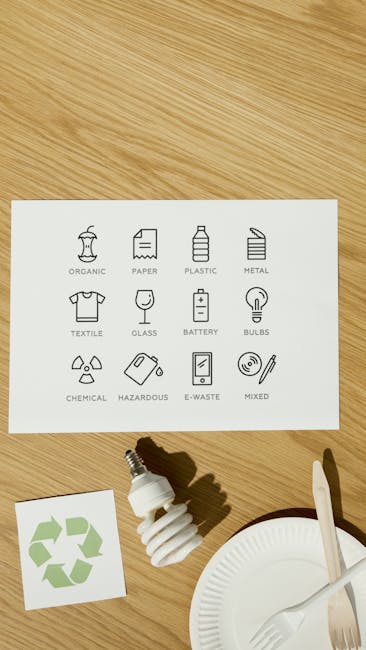
Most hazardous household items fall into a few broad groups:
- Flammable items such as some solvents, paints, and aerosols.
- Corrosive items such as strong cleaners, drain chemicals, and some bleach-based products.
- Electrical and battery-related items such as loose batteries, power packs, vape batteries, and damaged electronics.
- Toxic or irritating items such as pesticides, certain DIY chemicals, and some old medicines.
- Sharp or contaminated items that need careful wrapping or separate handling.
Not every awkward item is formally classified as hazardous, but if it can leak, ignite, corrode, or react badly with other waste, treat it with caution. To be fair, that's a much safer approach than trying to be clever with a black sack and hoping for the best.
In flats, the practical flow is usually like this:
- Check the item label and keep it in the original container if possible.
- Make sure lids are tight and containers are upright.
- Keep different hazardous items apart if they should not be mixed.
- Store them in a cool, dry place away from heat and food.
- Arrange proper disposal through the right collection route or specialist removal.
If you are clearing a whole flat rather than just one cupboard, the job gets bigger quickly. Old batteries tend to turn up in drawers. Paint tins appear in wardrobes. Lightbulbs hide in boxes that nobody has opened for years. It happens all the time.
Key Benefits and Practical Advantages
Handling hazardous household waste properly is not just about staying tidy. There are a few very real advantages, and in a flat they add up fast.
1. Safer communal living
In a block of flats, your waste area is shared space. Safe disposal reduces the chance of odours, leaks, fire hazards, and contamination that could affect neighbours or building staff.
2. Less stress during clear-outs
When you know what can go where, you do not end up standing in the kitchen at 9pm wondering whether an old tin of varnish is "still fine". It makes sorting much calmer.
3. Better use of limited storage
SE1 flats are not famous for spare cupboard space. Separating hazardous items early helps stop them from clogging up the one decent storage shelf you do have.
4. Reduced risk of accidental mixing
Some products should never be mixed, even in small amounts. Safe handling reduces that risk and helps avoid nasty fumes, spills, or reactions.
5. Cleaner handover when moving out
If you are leaving a rental flat or selling a property, dealing with hazardous leftovers properly helps the place feel finished rather than half-packed. That final sweep matters more than people expect.
Practical summary: the real benefit is not just disposal. It is control. Once hazardous waste is separated and scheduled for removal, a messy flat suddenly feels more manageable.
Who This Is For and When It Makes Sense
This advice is for anyone in SE1 living in a flat, studio, apartment, or converted property who has hazardous items at home and needs a safe, sensible way to get rid of them.
It is especially relevant if you are:
- decluttering a small flat with limited storage;
- moving home and finding old leftover household chemicals;
- renovating or redecorating and using DIY products;
- disposing of batteries, bulbs, paint, or aerosols;
- supporting an elderly relative who has collected a lot of products over time;
- managing waste in a rental property or short-let flat;
- sorting mixed waste after a tenancy change.
It also makes sense if you are simply not sure what counts as hazardous. That is a very normal position. People often know something "shouldn't go in general waste" but are not quite sure what the proper route is. Better to check than guess.
And if you are dealing with a larger flat clearance, it can be worth speaking with a professional team that understands mixed household items, access issues, and building rules. In that case, a good starting point is the contact us page, where you can ask about your situation directly.
Step-by-Step Guidance
If you want the simplest practical method, use this sequence. It works well in flats because it keeps the task small and controlled.
Step 1: Identify what you have
Go room by room. Kitchen, bathroom, utility area, under the sink, hallway cupboard, balcony storage if you have one. Look for items like cleaning chemicals, paint, solvents, batteries, aerosol cans, fluorescent tubes, pesticides, and old medicines.
If a label is damaged, do not assume. Treat it cautiously. A mystery bottle with no label is not a treasure, despite the drawer-full-of-curiosities vibe many flats develop over time.
Step 2: Separate hazardous items from ordinary rubbish
Keep hazardous items away from food waste, cardboard, and general waste bags. Use a separate box or lidded container if needed. If something is leaking, place it inside a second container or wrap it carefully to prevent spread.
Step 3: Check whether the item can be returned, reused, or safely emptied
Some containers are only hazardous because of what is left inside. A nearly empty spray can or paint tin may still need special handling. Do not rinse chemicals down the sink unless the product instructions clearly allow it and you are certain it is safe to do so. In many cases, it is not the right move.
Step 4: Store it safely until collection
Choose a cool, dry place away from heat sources. Keep batteries from touching metal objects. Keep sharp items wrapped. Keep lids sealed. If you have children or pets in the flat, store items where they cannot be reached.
Step 5: Choose the right disposal route
Depending on the item, this may involve a council-approved drop-off route, a household waste facility, or a specialist collection. For larger clearances or mixed loads, a removal service can save a lot of lifting, sorting, and back-and-forth. Just be clear about what you have so the collection is planned properly.
Step 6: Final check before it leaves the flat
Before anything is carried out, confirm containers are closed, items are separated, and nothing is likely to leak during transport. That extra two minutes is worth it. Honestly, it usually is.
Expert Tips for Better Results
These are the small things that make the whole process smoother in real life, especially in a building where space and access are tight.
- Sort by risk, not by room. A battery and a bleach bottle need different handling, even if they came from the same cupboard.
- Keep original containers when possible. Labels help identify hazards and reduce guesswork.
- Do not overfill boxes. One neatly packed box is easier to move than three wobbly ones.
- Use a "quarantine" box. If you are not sure about an item, keep it separate until you can confirm what it is.
- Schedule disposal early. If the items are sitting around for weeks, they become part of the furniture. Not ideal.
- Think about access. In SE1, stairwells, lifts, concierge rules, and parking limitations can all affect removal day.
A useful habit is to do a five-minute monthly check in flats with a lot of household products. It sounds minor, but it stops cupboards slowly turning into a chemical museum. Little and often works.
If you are dealing with a larger clean-out, ask about practical handling and collection options through the main service site. That can help you decide whether a small pickup or a more complete clearance is the better fit.
Common Mistakes to Avoid
Most issues happen because people are trying to be quick, not careless. Fair enough. Flat life is busy. Still, a few mistakes are worth avoiding.
Throwing hazardous items into general waste
This is the biggest one. Batteries, chemicals, aerosol cans, and some lightbulbs should not be chucked in with normal rubbish unless you know they are safe to do so under local guidance.
Mixing different chemicals together
Even if two products seem similar, they may react badly. Keep them separate. Do not tip leftover cleaning products into one bottle just to "make it easier". It is not easier, just riskier.
Leaving leaking containers unsecured
A small leak can spread into cardboard, fabric, or a bin bag before you notice. Use secondary containment if needed.
Storing items near heat
Boilers, radiators, sunlit balconies, and hot utility cupboards are poor places for aerosols or flammables. That one catches people out more than you'd think.
Assuming empty means safe
"Empty" packaging can still hold residue. Check the container and treat it with the right level of caution.
Forgetting building rules
Some flats have concierge arrangements, loading restrictions, or rules about leaving items in communal areas. Make sure your removal plan fits the building, not the other way round.
Tools, Resources and Recommendations
You do not need much equipment, but the right basics make a surprising difference.
- Small sturdy box or lidded tote: useful for batteries, bulbs, and compact items.
- Labels or marker pen: helpful if you are sorting several different item types.
- Disposable gloves: sensible for dirty or leaking containers.
- Old newspaper or absorbent material: useful if you need to cushion fragile items.
- Tape: handy for securing battery terminals or wrapping loose ends where appropriate.
For residents in rented SE1 flats, it is also worth checking your tenancy paperwork or building rules if you are unsure where to leave unwanted items. Landlords, managing agents, and concierge teams sometimes have their own preferred arrangements. Annoying? A bit. Helpful when it prevents a headache? Absolutely.
If you want to understand the company details, policies, or service terms before arranging anything, these pages are useful: the about us page, the terms and conditions, and the privacy policy. If you are ready to ask a question directly, use the contact page.
Law, Compliance, Standards, or Best Practice
Hazardous household waste is an area where good practice matters, even when the legal side is not front of mind. In the UK, householders are generally expected to keep waste safe, separate certain items appropriately, and follow local disposal guidance. For flats, the practical takeaway is simple: do not put potentially harmful materials where they can leak, ignite, or contaminate other waste.
Best practice usually includes:
- keeping hazardous items identifiable and in their original containers where possible;
- not mixing different chemical products;
- storing items away from food, heat, and children;
- using proper collection routes for batteries, lamps, paint, and chemicals;
- making sure removals do not create risks in communal areas or during transport.
If you are managing a flat on behalf of someone else, or dealing with a move-out, it is sensible to document what has been removed and how. That does not need to be fancy. A simple checklist is often enough.
There is also a practical compliance angle for landlords and managing agents. A block that handles waste well tends to have fewer complaints, fewer mess issues, and fewer "who left this here?" moments in the bin store. Those moments, to be fair, are never anybody's favourite.
Options, Methods, or Comparison Table
Different hazardous items need different disposal methods. Here is a simple comparison to help you decide what makes sense for a flat in SE1.
| Item type | Best approach | Why it works well in a flat | Watch out for |
|---|---|---|---|
| Batteries | Separate storage and appropriate recycling or collection | Small, easy to box, quick to sort | Short-circuit risk if loose with metal items |
| Paint and varnish | Keep sealed and arrange special disposal if needed | Prevents leaks and strong smells in shared areas | Do not pour into sinks or drains |
| Aerosols | Store upright and away from heat until proper disposal | Simple to isolate in a small container | Never puncture or crush |
| Lightbulbs and tubes | Wrap carefully and keep separate | Reduces breakage in tight stairwells or lifts | Broken glass and possible residue |
| Cleaning chemicals | Keep original labels and separate by product | Makes identification easier for safe handling | Mixing products can create hazardous reactions |
| Old medicines | Follow suitable collection or return route | Keeps them out of household waste and water systems | Do not leave within reach of children |
For most SE1 flats, the simplest route is a small sorting stage followed by a planned collection. If you only have a few items, a box-and-store approach works. If you have a bigger mix, or you are clearing a whole property, a more organised removal is usually less stressful than making multiple ad hoc trips. Life is busy enough already.
Case Study or Real-World Example
Picture a typical SE1 two-bed flat after a long tenancy. The kitchen drawer contains a handful of loose batteries, a near-empty bottle of drain cleaner, two aerosol deodorant cans, an old tin of emulsion paint, and a broken bulb wrapped in a paper towel. Nothing dramatic. Just the sort of slow build-up that happens in real homes.
The first instinct is often to deal with it all in one go and be done. But the better approach is a quick sort:
- batteries into a separate tub;
- paint tin kept sealed and upright;
- aerosols stored away from heat;
- broken bulb wrapped more securely;
- cleaner kept apart from everything else until disposal is arranged.
Once sorted, the flat feels calmer almost immediately. The cupboard is easier to close. The risk is lower. And the next stage - whether that is local disposal or a wider clearance - becomes straightforward instead of slightly worrying.
We have seen this sort of thing plenty of times in city flats, especially when people are moving fast or dealing with a flat that has been lived in for years. The waste itself is not usually the problem. It is the delay. Once it gets identified and separated, the rest is much easier.
Practical Checklist
Use this checklist before you dispose of hazardous household waste in your SE1 flat.
- Have I identified all chemical, battery, bulb, aerosol, and paint items?
- Are any containers leaking, damaged, or unlabeled?
- Have I kept hazardous items away from food and general waste?
- Are lids sealed and containers stored upright?
- Have I separated different item types so they do not react or contaminate each other?
- Do I know the correct disposal route for each item?
- Have I checked access rules for my building, lift, or bin store?
- Do I need help with a larger flat clearance or mixed waste?
- Are children and pets kept away from the storage area?
- Have I made one final check before moving the items out of the flat?
If you can tick all of those off, you are in good shape. If not, pause and sort the missing pieces first. No need to rush it.
Conclusion
Dealing with hazardous household waste in an SE1 flat is mostly about calm, small decisions made in the right order. Identify the item, keep it separate, store it safely, and use the proper disposal route. That approach protects your home, your neighbours, and your own sanity a little too.
In busy London flats, it is easy to let awkward items drift into the background. A paint tin here, a battery there, a bottle you'll "deal with later". But later tends to arrive with a bit more mess attached. A simple plan now saves time, space, and unnecessary risk.
Get a free quote today and see how much you can save.
If you are unsure about a mixed load, a flat clearance, or access in a shared building, the sensible next step is to ask for tailored advice rather than guessing. A quick conversation can save a lot of hassle, and sometimes that is the difference between a stressful afternoon and a quietly successful one.
Frequently Asked Questions
What counts as hazardous household waste in a flat?
Common examples include batteries, paint, solvents, aerosols, certain cleaning chemicals, fluorescent bulbs, and some medicines. If an item can leak, ignite, corrode, or react badly, treat it as hazardous until you know otherwise.
Can I put batteries in the regular bin in SE1?
It is better not to. Loose batteries can create fire risk or damage other waste. Keep them separate and use the proper collection route or recycling option.
What should I do with half-empty paint tins?
Keep them sealed, upright, and stored safely until you can dispose of them through an appropriate route. Do not pour paint down drains or into general waste bags.
Are aerosols safe to throw away if they feel empty?
Not always. Even an "empty" aerosol can contain pressure or residue. Keep it away from heat and follow the proper disposal method for your area or collection service.
How do I store hazardous waste safely in a small flat?
Use a sturdy box or lidded container, keep items upright, separate different products, and place them somewhere cool and dry. Avoid radiators, sunny window ledges, and food cupboards.
Can I mix different cleaning products together to save space?
No. Mixing products can be dangerous, even if both are household cleaners. Keep them in their original containers and separate if possible.
What if I find a leaking bottle or damaged container?
Do not handle it carelessly. Use gloves if needed, place the item in a secondary container, and keep it isolated from other waste until it can be dealt with safely.
Is hazardous waste different in rented flats?
The items are the same, but access and responsibility can be more complicated. Check your tenancy terms, building rules, and any instructions from the managing agent if you are unsure where items should go.
Do I need a specialist clearance service for just a few items?
Not always. A few batteries or a single paint tin may only need a small disposal plan. But if the items are mixed, leaking, heavy, or part of a wider flat clearance, a specialist service can be much easier.
How far in advance should I sort hazardous waste before moving out?
As early as you can. Leaving it to the final packing day is how people end up stressed, rushing, and making poor decisions with awkward items. A few days early is much better.
What should I do if I am not sure whether an item is hazardous?
Keep it separate and avoid putting it in general waste until you are confident. If the label is missing or unclear, use caution and ask for advice before disposing of it.
Can hazardous household waste affect communal bins or bin stores?
Yes. Leaks, fumes, broken glass, and battery-related fire risks can all affect shared areas. That is why careful storage and correct disposal matter so much in flat buildings.
Where can I ask about waste removal for my SE1 flat?
You can start with the contact page to discuss your situation, or review the about us page to understand the service approach first.